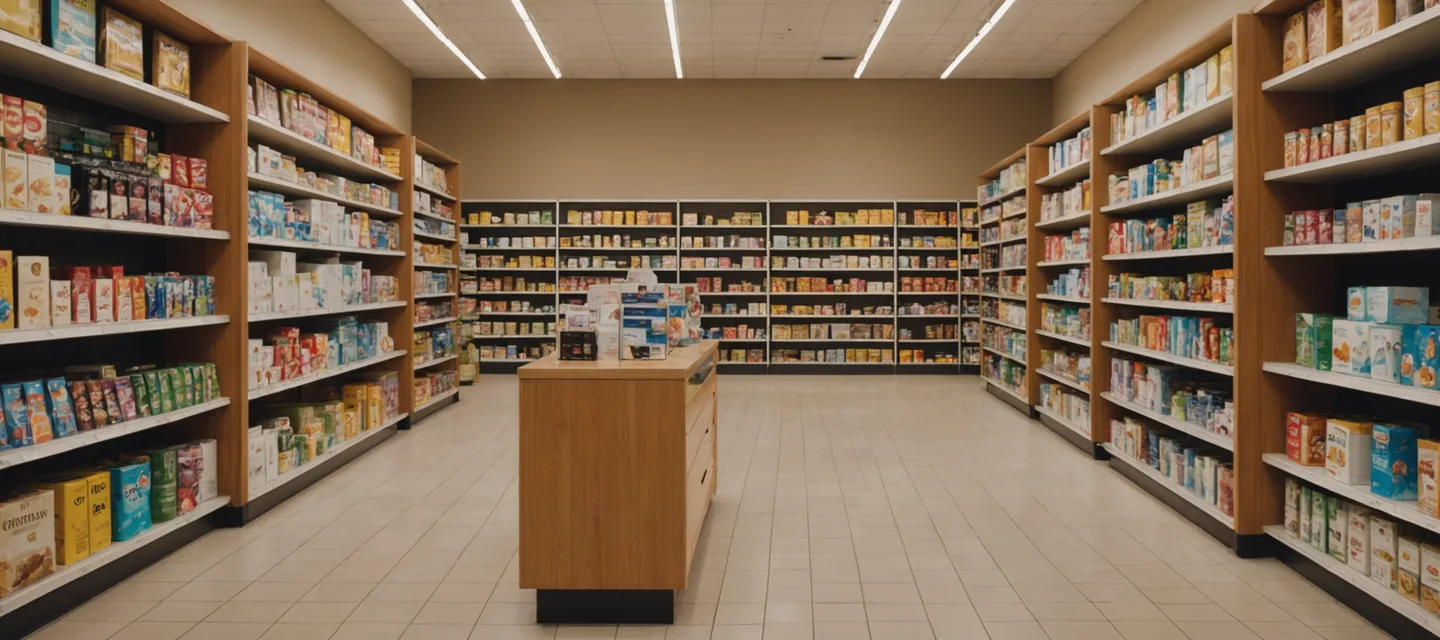
Pilot retailers see results in week two
Youtiligent is in active pilots with regional grocery chains and multi-site convenience operators. Meaningful shelf-fill improvements show up within the first two weeks of operation.
How a pilot typically unfolds
Pilots run in a single store for the first four weeks. The goal is to confirm the system produces useful intelligence for your specific store layout and team workflows before you expand to additional locations.
Installation and calibration
Camera access is verified, the edge processor is installed on-site, store zones are mapped, and baseline images are captured on a fully-stocked day. Alert routing is configured per zone.
Live monitoring and adjustment
Alerts start routing in real time. Threshold adjustments and zone re-mapping are common in weeks two and three as the system learns your typical traffic patterns. The onboarding team is available throughout.
Pilot review and expansion decision
We review the four-week report together: shelf-fill trend, alert accuracy, planogram compliance improvement, and staff feedback. If the numbers work, we discuss expansion to additional locations.
What early partners have reported
The following results come from our active pilot operators. Metrics are self-reported by store managers during the four-week review. Operator details are kept confidential during the pilot period.
An 18-store fresh food supermarket group with mixed store formats (from 400 to 1,400 sqm) piloted Youtiligent in two stores over four weeks. The stores had existing Hikvision IP cameras on all main aisles.
Shelf-fill alerts in the dairy and fresh produce aisles reduced average restock response time significantly. The store manager reported that staff were addressing shelf gaps in the same shift rather than discovering them during the next morning's floor walk.
"We were reactive before. We would discover a gap when a customer complained or when we walked the floor in the morning. The system tells us while staff are still on shift."
A 31-store pharmacy operator piloted Youtiligent in three stores to improve planogram compliance for seasonal promotion displays. Camera infrastructure was Axis Communications with ONVIF Profile T support.
Planogram compliance scores rose from an average of 68 to 84 over the four-week pilot at the three stores. The visual merchandising lead cited the daily exception report as the key change: the team now knows exactly which display needs attention before walking the store.
"The exception report is the thing that changed behaviour. Before, we walked every display to check compliance. Now we walk the two or three that the report flagged."
Numbers from the active pilot cohort
Aggregated from four-week pilot reports. Individual store results vary with store layout, camera coverage, and team adoption speed.
Join the next pilot cohort
We run pilot cohorts in batches of four to six stores. If you operate five or more locations with ONVIF-compatible cameras, reach out and we will confirm whether your infrastructure qualifies for the next intake.
Apply for a pilot spot